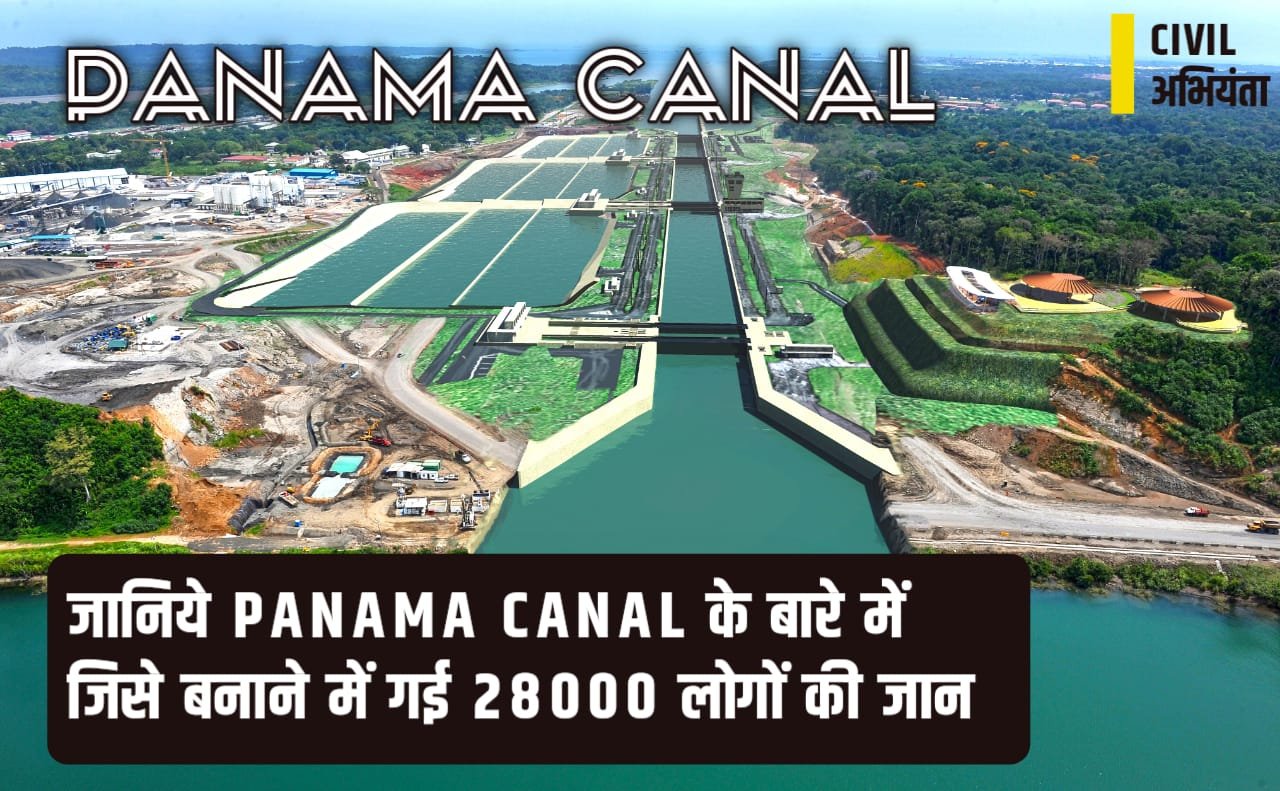
दोस्तों, आज मैं आपको एक ऐसे engineering project के बारे में बताने जा रहा हूं जो मुझे हमेशा से fascinate करता रहा है। Panama Canal – एक ऐसा waterway जिसने literally दुनिया का नक्शा बदल दिया।
जब मैंने पहली बार इस canal के construction की कहानी पढ़ी, तो मुझे विश्वास नहीं हुआ कि इंसान इतनी बड़ी चुनौती को accept कर सकता है। 82 किलोमीटर लंबी एक नहर खोदनी है – जंगलों के बीच, पहाड़ों को काटकर, और वह भी 110+ साल पहले जब bulldozers भी ठीक से नहीं थे!
आज मैं आपके साथ share करूंगा कि यह project क्यों इतना revolutionary था, इसे बनाने में क्या-क्या challenges आए, और सबसे important – इसकी असली human cost क्या थी। क्योंकि यह सिर्फ engineering की कहानी नहीं है, यह 28,000 लोगों की sacrifice की कहानी भी है।
Panama Canal क्या है और क्यों जरूरी था?
चलिए basics से शुरू करते हैं। Panama Canal एक man-made waterway है जो Atlantic Ocean को Pacific Ocean से connect करती है। यह Central America में Panama नाम के एक छोटे से देश से होकर गुजरती है।
अब सवाल – इसकी जरूरत क्यों पड़ी?
सोचिए 1900 के दशक की बात। अगर आपको New York से San Francisco जाना है (समुद्र के रास्ते), तो आपके पास दो options थे:
Option 1: पूरे South America को चक्कर लगाकर, Cape Horn (सबसे southern tip) से होकर जाओ। Distance – लगभग 21,000 किलोमीटर! समय – 60-70 दिन!
Option 2: Panama Canal से होकर जाओ। Distance – 12,000 किलोमीटर। समय – सिर्फ 30-35 दिन!
मतलब canal ने 8,000+ किलोमीटर और 30 दिन बचा दिए! यही नहीं, Cape Horn route बेहद खतरनाक था – भयंकर तूफान, ठंडा मौसम, ऊंची लहरें। हर साल दर्जनों जहाज वहां डूब जाते थे।
तो Panama Canal सिर्फ एक shortcut नहीं था – यह life-saver था, trade का game-changer था।
Historical Context – सपना 400 साल पुराना था
दिलचस्प बात यह है कि Panama के through एक canal बनाने का idea नया नहीं था। 1513 में जब Spanish explorer Vasco Núñez de Balboa ने पहली बार Panama से Pacific Ocean देखा, तभी से लोग सोच रहे थे कि “काश यहां से shortcut होता!”
Spanish King Charles V ने 1534 में ही एक survey करवाया था। लेकिन उस time technology इतनी advanced नहीं थी। फिर 300+ साल तक यह idea एक dream ही रहा।
French Attempt (1881-1889) – पहली कोशिश और भयानक Failure
अब आती है असली कहानी। 1881 में France ने decide किया कि वो Panama Canal बनाएंगे। Leading them था Ferdinand de Lesseps – वही engineer जिसने successfully Suez Canal बना दिया था।
De Lesseps को लगा कि Panama में भी वो same approach use करेंगे – sea-level canal (बिना locks के, सीधी खुदाई)। But यह सबसे बड़ी गलती थी।
French Project के Main Problems:
Problem #1 – Geography की गलतफहमी
Suez में flat desert था। Panama में dense jungle, पहाड़, नदियां, और सबसे बड़ी चुनौती – Continental Divide! यह एक पहाड़ी ridge है जो 110 मीटर ऊंची है। इसे काटना था।
Problem #2 – Climate और Disease
Panama में average temperature 27°C, humidity 90%, और rainfall 3,000mm per year! यह एक perfect environment था mosquitoes के लिए।
Result? Yellow Fever और Malaria ने कहर बरपा दिया।
Imagine करिए – हर दिन 200-300 workers hospital में admit हो रहे हैं। Har हफ्ते 500+ workers मर रहे हैं! Trains में dead bodies को lumber की तरह load करके ले जाया जाता था। एक worker ने लिखा था:
“Death was our constant companion. Train loads of dead men being carted away daily, as if they were just so much lumber.”
Problem #3 – Engineering Challenges
French engineers ने socha tha ki बस खोदते जाओ। But Panama की मिट्टी बहुत unstable थी। जितना खोदते, उतना landslides होते। Chagres River में बाढ़ आती तो महीनों का काम minutes में बर्बाद।
Culebra Cut (सबसे मुश्किल section) में तो हालत यह थी कि रात में जितना खोदते, सुबह तक आधा वापस भर जाता था!
French Failure – Numbers जो Shock करेंगे
- Total Investment: 1.4 billion francs (आज के $287 billion के बराबर!)
- Years: 1881-1889 (8 साल)
- Workers: 20,000+ (peak time पर)
- Deaths: 20,000-22,000 (यह सही में tragedy थी)
- Result: Complete failure, bankruptcy, scandal
1889 में French company ने declare कर दिया – हम नहीं कर सकते। यह दुनिया की सबसे बड़ी engineering failures में से एक बन गई।
लेकिन यहां एक important point है – French failure से सीखा बहुत कुछ गया। उन्होंने जो equipment छोड़ा, जो data collect किया, वह बाद में Americans के काम आया।
American Era (1904-1914) – सफलता की कहानी
अब scene change होता है। 1901 में अमेरिका के President Theodore Roosevelt power में आए। उनका vision था – America को world power बनाना है, और उसके लिए Panama Canal जरूरी है।
लेकिन पहले एक political issue solve करना था।
Political Drama – Panama कैसे बना?
Panama उस समय Colombia का हिस्सा था। US ने Colombia के साथ deal करने की कोशिश की – $10 million दो, हमें canal बनाने दो। Colombia ने मना कर दिया।
तो क्या किया America ने? Backed करे Panama के separatists को! 1903 में Panama ने Colombia से independence declare कर दी। Coincidentally, US Navy ships वहां “randomly” मौजूद थे किसी भी Colombian response को रोकने के लिए।
Panama independent बना, और तुरंत US के साथ treaty sign कर दी। America को मिला – 10 miles wide Canal Zone पर permanent control। Controversial? बिल्कुल। लेकिन यह 1900s की geopolitics थी।
American Approach – तीन बड़े बदलाव
Americans ने French mistakes से सीखा और तीन major changes किए:
Change #1 – Lock System
French चाहते थे sea-level canal। Americans ने decide किया – lock-based system बनाएंगे। मतलब ships को पानी के elevator से 26 meters ऊपर उठाया जाएगा, फिर नीचे उतारा जाएगा।
यह decision genius था क्योंकि:
- कम खुदाई करनी पड़ेगी
- Continental Divide को पूरा काटने की जरूरत नहीं
- Lake Gatun बनाया जा सकता है (fresh water storage)
Change #2 – Disease Control – सबसे Critical
Americans जानते थे – पहले workers को बचाओ, फिर canal बनाओ।
Enter: Dr. William Crawford Gorgas – hero of this story!
Gorgas ने Cuba में yellow fever control किया था। उन्हें बनाया गया Chief Sanitation Officer। उनका approach:
Step 1 – Mosquito War: समझ लिया गया था कि mosquitoes yellow fever और malaria फैलाते हैं। तो Gorgas ने शुरू किया सबसे बड़ा anti-mosquito campaign:
- हर घर को fumigate किया (sulfur और pyrethrum से)
- सारे standing water sources drain किए
- जहां पानी रुकता था, वहां oil डाला (larvae को मारने के लिए)
- Windows में screens लगवाए
- Workers को mosquito nets दी
Step 2 – Hospitals: अच्छे hospitals बनाए। 102 American doctors और 130 nurses! Peak time पर 32,000 patients annually treat होते थे।
Result: 1906 तक yellow fever virtually खत्म हो गया! Malaria cases में भी 90% reduction!
यह medical history का एक milestone था। Gorgas ने prove कर दिया कि mosquito-borne diseases को control किया जा सकता है।
Change #3 – Modern Equipment और Organization
Americans लाए:
- 102 giant steam shovels (coal-powered)
- Dirt trains – 60-car trains जो मिट्टी ले जाती थीं
- Industrial-scale dynamite use – 27 million pounds!
- Systematic planning और project management
उस time के हिसाब से यह cutting-edge technology थी।
Construction की चुनौतियां – असली Battle
अब detail में देखते हैं कि actual construction कैसे हुई।
Challenge #1 – Culebra Cut (अब Gaillard Cut)
यह project का सबसे मुश्किल हिस्सा था। 14 किलोमीटर लंबा, Continental Divide के through एक artificial valley काटनी थी।
Numbers जो दिमाग घुमाएंगे:
- Width: 90-150 meters (नीचे से ऊपर)
- Depth: जगह-जगह 40-50 meters तक
- Material removed: 100 million cubic meters (यह Mount Everest की आधी volume है!)
Daily Routine:
- 6,000 workers simultaneously काम करते थे
- Temperature: 40-50°C तक पहुंच जाता था
- Humidity: 90%+
- 9 महीने monsoon – लगातार बारिश
Workers holes drill करते, dynamite डालते, blast करते, फिर steam shovels से मिट्टी उठाकर trains में डालते। Trains ले जाकर dump करते (अक्सर Atlantic coast पर land reclamation के लिए)।
लेकिन सबसे बड़ी problem – Landslides!
Panama की volcanic clay-based soil बेहद unstable थी। Heavy rains में पूरे hillsides खिसक जाते थे। एक landslide में 500,000 cubic meters मिट्टी अचानक slide हो जाती थी – machines, tracks, workers सब दब जाते थे।
Culebra Cut में काम करना literally युद्ध के मैदान में होने जैसा था। एक worker ने कहा था:
“Working in the cut was like going to a battlefield every day.”
Challenge #2 – Gatun Dam और Lake
Fresh water चाहिए था locks operate करने के लिए। तो decide किया – Chagres River को dam करके एक giant lake बनाएंगे।
Gatun Dam specifications:
- Length: 2.4 kilometers
- Height: 30 meters
- Volume: 17 million cubic meters earth and rock
जब बना, तो Lake Gatun दुनिया का सबसे बड़ा man-made lake था! Area – 425 square kilometers।
इस lake ने पूरी geography बदल दी। Villages डूब गईं, railway relocate करनी पड़ी, forests submerge हो गए। लेकिन यह necessary था।
Challenge #3 – Locks Construction
Locks canal का heart हैं। तीन locations पर बनाए गए:
Gatun Locks (Atlantic side):
- Three-step locks
- Ships को 26m ऊपर उठाते हैं
- Each chamber: 320m × 33.5m
Pedro Miguel Lock (Pacific side):
- Single step
- 9.5m lift
Miraflores Locks (Pacific side):
- Two steps
- 16m lift (sea level तक)
Engineering Marvel:
- Concrete used: 4.5 million cubic meters
- 1930s तक दुनिया की largest concrete structures थीं!
- Doors: 700 tons weight, हर door!
- Electricity से operate होते थे (उस time cutting-edge!)
Locks को design करना बेहद complex था:
- Fresh water save कैसे करें? (हर transit में 200 million liters पानी waste होता है)
- Doors की sealing perfect कैसे हो?
- Electricity fail हो जाए तो backup?
- Ships safely कैसे navigate करें?
Challenge #4 – Railways और Logistics
Imagine – हर दिन 160 dirt trains running, प्रत्येक में 20 cubic meters muck। यह सब coordinate कैसे करें?
Panama Railroad को completely rebuild किया गया। यह दुनिया की सबसे busy railroad बन गई – 538 locomotives और 4,000+ dirt cars!
Human Cost – जो हमें नहीं भूलना चाहिए
अब वह हिस्सा जो मुझे personally सबसे ज्यादा affect करता है।
Worker Demographics
Total workers (US era): 75,000+
कहां से आए?
- 70% Caribbean – मुख्यतः Barbados और Jamaica से
- 15% Europe – Spain, Italy, Greece
- 10% United States – skilled workers और engineers
- 5% Others – Panama, South America, Asia
Racial Discrimination – काला सच
American era में दो payment systems थे:
Gold Roll: White American workers
- Payment: US dollars में
- Housing: अच्छे quarters, screened windows
- Medical care: best facilities
- Safety equipment: proper gear
Silver Roll: Non-white workers (mostly Caribbean)
- Payment: Colombian pesos में (value आधी!)
- Housing: crowded barracks या tents (mosquito-controlled zone के बाहर!)
- Medical care: basic facilities
- Safety equipment: minimal
यह systematic discrimination था। Black workers को ज्यादा dangerous काम दिए जाते थे, worse conditions में, कम पैसे में।
Statistics shocking हैं:
- White workers death rate: 6 per 1,000
- Black workers death rate: 60 per 1,000 (10 गुना ज्यादा!)
Death Toll – The Real Numbers
Official US records: 5,609 deaths (1904-1914)
लेकिन historians मानते हैं कि real number ज्यादा है। क्यों?
- बहुत workers को deport कर दिया जाता था अगर वो बीमार पड़ते
- जो workers hospital के बाहर मरते, वो records में नहीं आते
- Caribbean islands में जाकर मरने वालों का कोई record नहीं
Conservative estimate: 7,000-8,000 deaths (US era)
French era के साथ total: 25,000-28,000 deaths
Main Causes of Death:
Disease (पहले years में dominant):
- Yellow Fever: 4,000+ (mostly French era)
- Malaria: 8,000+
- Pneumonia: 4,000+
- Dysentery: 2,000+
- Other tropical diseases: 3,000+
Accidents (later years में ज्यादा):
- Dynamite explosions: 2,000+
- Landslides: 1,500+
- Train accidents: 1,000+
- Falls: 500+
- Heavy machinery: 500+
Har 1 mile canal के लिए, lagbhag 500 lives lost हुईं।
The Forgotten Stories
Caribbean workers Panama आए थे better life की hope में। उस time Barbados, Jamaica में economic depression था। Panama Canal $0.10 per hour offer कर रही थी – जो उस time decent लगता था।
But reality brutal थी:
- 10-12 hours work per day
- 6 days a week
- Dangerous conditions
- Poor housing
- Racial discrimination
कई workers disabled हो गए – arms, legs amputate हुए। Artificial limb manufacturers को boom मिल गया! वो advertise करते थे: “Panama Canal workers के लिए waterproof artificial limbs!”
जो survive करके वापस गए Caribbean, वो भी scars और memories लेकर गए। 2014 में canal की 100th anniversary पर, कुछ surviving workers के interviews हुए। 90+ year old men, tears in eyes, कह रहे थे:
“I can’t believe I survived. So many of my friends didn’t make it back home.”
Opening Day – 15 August 1914
32 years, 75,000 workers, 28,000 deaths, और $375 million (आज के $9 billion) के बाद…
15 अगस्त 1914 को Panama Canal officially खुली।
लेकिन यहां एक ironic twist है – कोई grand celebration नहीं हुआ! क्यों?
World War I start हो गया था (July 1914)। पूरी duniya war में busy थी। तो quietly, बिना fanfare के, first commercial ship (SS Ancon) ने canal cross किया।
Imagine – इतना massive project, और opening day पर सिर्फ कुछ officials और workers मौजूद थे।
Engineering Innovations – जो आज भी Relevant हैं
Panama Canal ने engineering field में कई innovations दिए:
1. Project Management
यह शायद पहली बार था कि इतना बड़ा project इतने systematic तरीके से manage किया गया:
- Clear timelines और milestones
- Detailed cost tracking
- Labor management systems
- Supply chain coordination
आज जो हम “project management” कहते हैं, उसकी foundation यहीं रखी गई।
2. Tropical Medicine
Dr. Gorgas का mosquito control program ने दिखाया कि disease prevention possible है। यह WHO की modern disease control strategies का precursor बना।
3. Heavy Machinery Operation
Steam shovels, dirt trains, cranes – इन सब का industrial-scale use यहां हुआ। Modern construction equipment की evolution यहीं से शुरू हुई।
4. Concrete Technology
Locks में use हुआ mass concrete आज भी strong है (100+ years बाद!)। Concrete mixing, curing, quality control – सब systematically किया गया।
Economic Impact – Game Changer
Panama Canal ने global trade को transform कर दिया।
Immediate Impact (1914-1940):
Shipping Revolution:
- New York to San Francisco: 60 days → 25 days
- Cost reduction: 30-40%
- Insurance rates: कम (क्योंकि Cape Horn route खतरनाक था)
Trade Growth:
- US-Asia trade में 500% increase (1914-1930)
- Latin America west coast accessible हो गया
- California agriculture को boost (grain export Asia को)
Modern Impact (2024-25):
आज Panama Canal annually handle करती है:
- 14,000 ships (36-40 per day)
- 500+ million tons cargo ($270 billion worth!)
- 6% of world maritime trade
- 40% of all US container traffic
For Panama: Canal है Panama की GDP का 15-20%। यह country की सबसे बड़ी income source है।
2016 Expansion – Canal का दूसरा जन्म
अब fast-forward करते हैं 2016 में।
By 2000s, ships बहुत बड़े हो गए थे। Original Panama Canal जो “Panamax” ships handle कर सकती थी (5,000 containers), modern “Post-Panamax” ships 15,000+ containers carry करते थे।
तो Panama ने decide किया – expansion चाहिए!
Expansion Project Details:
Investment: $5.4 billion
Timeline: 2007-2016 (9 years)
Main Work:
- नई third lane of locks (Atlantic और Pacific दोनों side)
- Existing channels को deepen और widen किया
- Gatun Lake को raise किया
Result: Capacity double हो गई!
New “Neopanamax” specifications:
- Length: 366 meters (पहले 295m)
- Width: 49 meters (पहले 32m)
- Draft: 15 meters (पहले 12m)
- Capacity: 14,000 TEU containers
Expansion की Human Cost – बेहद कम!
यह सबसे impressive है:
2006-2016 expansion में deaths: केवल 2 workers
Comparison करिए:
- 1906-1914: 5,609 deaths
- 2006-2016: 2 deaths
99.96% reduction in mortality rate!
यह shows modern safety standards, technology, medical care का impact।
भारत के लिए Lessons
अब सवाल – India के लिए Panama Canal से क्या सीख है?
Lesson #1 – Infrastructure Megaprojects
India के पास बहुत infrastructure potential है:
- River linking projects
- Coastal shipping development
- Modern ports expansion
Panama Canal shows – बड़े projects long-term economic transformation ला सकते हैं। लेकिन proper planning, technology, और worker safety अनिवार्य है।
Lesson #2 – International Trade Routes
भारत strategically located है। हम develop कर सकते हैं:
- INSTC (International North-South Transport Corridor)
- Sittwe Port (Myanmar through shortcut to NE India)
- Chabahar Port (Iran – Afghanistan – Central Asia access)
Lesson #3 – Worker Safety Cannot Be Compromised
Panama Canal की 28,000 deaths एक reminder है – development की human cost measure करनी चाहिए।
Modern India के infrastructure projects में safety standards improve हुए हैं, but still long way to go।
Lesson #4 – Environmental Planning
Drought ने Panama Canal को almost paralyze कर दिया 2023 में। यह shows – climate resilience design phase में ही sochna चाहिए।
India के water projects में यह और भी critical है।
Personal Reflections – एक Engineer की नज़र से
Jab मैं Panama Canal के बारे में सोचता हूं, तो mixed feelings आती हैं।
Engineering perspective से: यह incredible achievement है। 1900s की technology के साथ जो किया गया, वो unbelievable है। Locks आज भी operate कर रहे हैं! Concrete still strong है!
Human perspective से: 28,000 deaths बहुत बड़ी cost है। और वो भी mostly poor Caribbean workers, जिन्हें ठीक से treat नहीं किया गया। यह colonial-era exploitation का example है।
Economic perspective से: Canal ने global trade revolutionize किया। Millions of jobs create हुए, economies grow हुईं। यह benefit undeniable है।
तो final verdict? Panama Canal एक reminder है कि great achievements often come with great costs। हमारा duty है दोनों को याद रखना – engineering triumph को celebrate करो, लेकिन human sacrifices को भी acknowledge करो।
आज जब भी कोई megaproject plan होता है, हमें पूछना चाहिए:
- क्या यह worth है?
- Human cost क्या होगी?
- क्या safer alternatives हैं?
- Long-term sustainability क्या है?
Interesting Facts जो शायद आप नहीं जानते
कुछ fascinating trivia के साथ खत्म करते हैं:
1. Atlantic और Pacific actually different heights पर हैं हाँ! Pacific, Atlantic से 20cm (8 inches) ऊंचा है। Plus दोनों की tides अलग हैं। इसलिए locks जरूरी थे।
2. Ships को tolls देने पड़ते हैं Highest toll paid: $1.2 million (Disney Cruise Line, 2016) Lowest toll ever: $0.36 (Richard Halliburton ने 1928 में तैरकर cross किया था!)
3. Original construction में 61 million pounds dynamite use हुआ यह World War I में US military ने total जितना use किया, उससे ज्यादा है!
4. Landslides आज भी होते हैं Culebra Cut में अभी भी occasional landslides होते हैं। Permanent dredging operations चलते रहते हैं।
5. Canal crossing time: 8-10 hours हाँ, पूरा canal cross करने में औसतन 8-10 घंटे लगते हैं। Ships की waiting time अलग है।
6. Fresh water waste: 3.4 billion liters per day! यह एक बड़े शहर की पूरी daily water consumption के बराबर है!
7. Expansion में robotic welding use हुई 2016 expansion में cutting-edge technology थी – robotic welding, GPS-guided dredging, 3D modeling।
8. Canal zone में अपनी postal system थी US control के time, Canal Zone के अपने stamps और postal service थी!
FAQs – जो आप पूछना चाहते होंगे
क्या Panama Canal privately owned है?
नहीं। यह Panama government owned और operated है। US ने 1999 में complete control transfer कर दिया।
क्या बड़े aircraft carriers transit कर सकते हैं?
नहीं। US Navy के Nimitz-class carriers बहुत चौड़े हैं (40m+)। Panama Canal से ज्यादा चौड़े! इसीलिए US Navy को Pacific और Atlantic fleets अलग-अलग maintain करने पड़ते हैं।
Panama Canal कब और किसने बनाया?
Panama Canal का निर्माण 1904-1914 के बीच United States द्वारा किया गया। इससे पहले French ने 1881-1889 में इसे बनाने की कोशिश की थी लेकिन वे असफल रहे।
Canal की कुल लंबाई कितनी है?
Panama Canal की कुल लंबाई 82 किलोमीटर (51 miles) है, जो Atlantic Ocean को Pacific Ocean से जोड़ती है।
Panama Canal का सबसे बड़ा Engineering Challenge क्या था?
Culebra Cut (Gaillard Cut) सबसे कठिन था – इसमें 100 मीटर ऊंची पहाड़ी को काटना पड़ा। यहां लगातार भूस्खलन होता रहता था।
Conclusion – एक Engineer का Final Take
Panama Canal मेरे लिए civil engineering की सबसे inspiring कहानियों में से एक है। यह दिखाता है कि:
✓ Impossible को possible बनाया जा सकता है – French fail हुए, लेकिन Americans ने lessons लेकर success पाई
✓ Technology और determination मिलें तो geography change हो सकती है – literally, oceans को connect कर दिया!
✓ Human cost कभी भूलनी नहीं चाहिए – 28,000 lives का sacrifice था यह
✓ Good planning और safety critical हैं – 1906 vs 2016 expansion की mortality rates compare करें
✓ Infrastructure long-term value create करता है – 110 साल बाद भी canal relevant और profitable है
✓ Climate और sustainability को ignore नहीं कर सकते – 2023 drought ने यह prove किया
जब भी कोई बड़ा infrastructure project plan होता है – चाहे वो India में हो या कहीं और – Panama Canal के lessons याद रखने चाहिए।